What Makes Vineyard Weddings Unforgettable?
There is a profound stillness that settles over a vineyard as the sun begins its descent. It is a golden hour unlike any other—where the light catches the intricate architecture of the vines, casti...
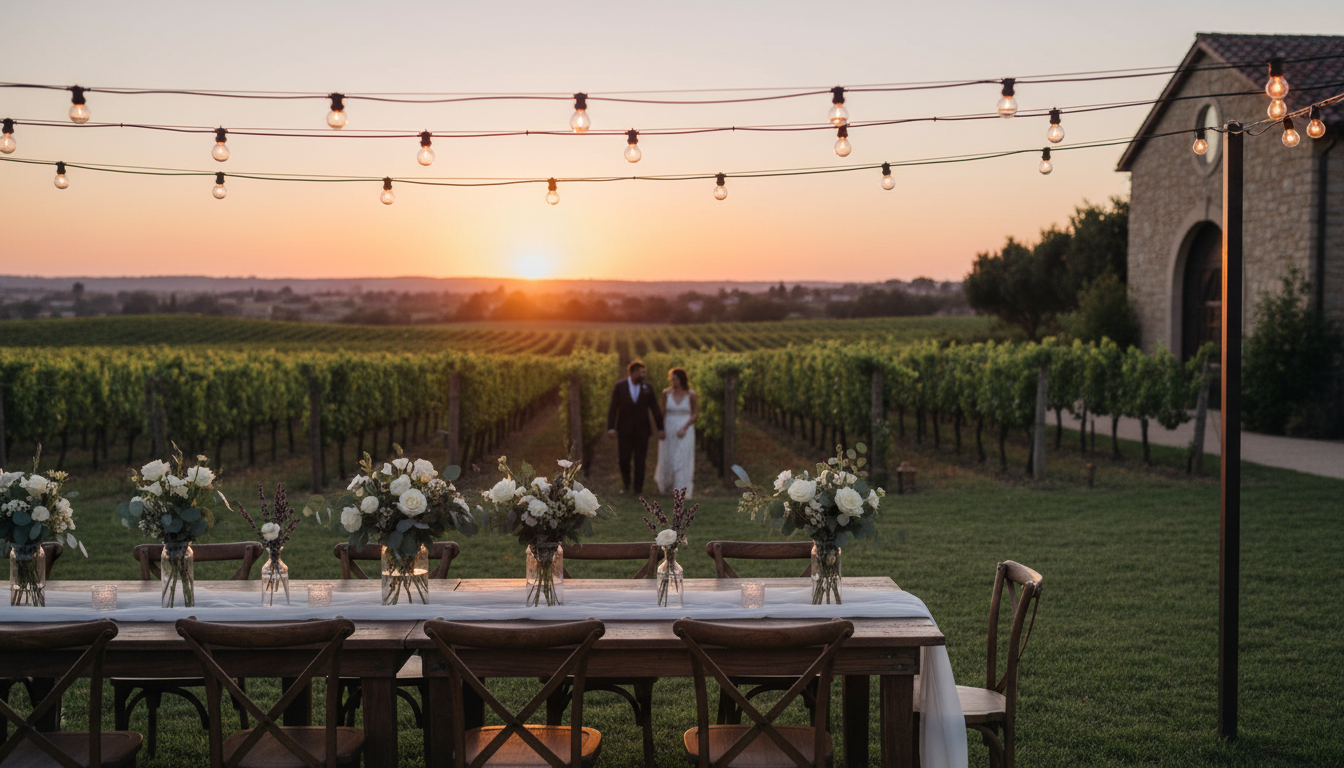
There is a profound stillness that settles over a vineyard as the sun begins its descent. It is a golden hour unlike any other—where the light catches the intricate architecture of the vines, casting long, dramatic shadows across the rolling earth. For couples seeking a venue that transcends the ordinary banquet hall, vineyard weddings offer something rare: a sense of place, a connection to the land, and an atmosphere of refined elegance that feels entirely effortless.
Choosing a wedding destination is perhaps the most significant logistical decision you will make during your engagement. It sets the tone for the entire celebration, dictating not only the aesthetic but the guest experience, the menu, and the memories that will linger long after the last glass is raised. While trends in the wedding industry ebb and flow, the allure of the vineyard remains constant. It is grounded, timeless, and inherently romantic.
But what is it, exactly, that makes these celebrations so distinct? Is it the history rooted in the soil? The sophistication of estate-grown vintages? Or the seamless blend of rustic charm and luxury service? In this comprehensive exploration, we will delve deep into the elements that transform a simple ceremony among the vines into an unforgettable life event. We will guide you through the aesthetic, culinary, and practical advantages of vineyard weddings, ensuring you have the knowledge to curate a day that reflects your unique legacy.
1. The Living Backdrop: Nature’s Architectural Masterpiece
When you step onto a vineyard estate, you are stepping into a living, breathing landscape. Unlike a hotel ballroom, which requires extensive decoration to create an atmosphere, a vineyard provides a built-in, panoramic canvas that is both majestic and intimate. The visual appeal of a vineyard is not static; it is an architectural masterpiece designed by nature and maintained by human hands.
The Symbolism of the Vines
There is a beautiful, unspoken metaphor inherent in a vineyard wedding. Vines are symbols of endurance, growth, and fruitfulness. They weather storms, rely on strong roots, and improve with age—parallels to marriage that add a layer of emotional depth to your ceremony. Standing before rows of vines that have produced fruit for decades, or perhaps centuries, grounds your union in a tradition of longevity.
The Photography Advantage
From a photographic standpoint, vineyards are unparalleled. Your photographer will thank you for choosing a venue that offers such geometric precision mixed with organic beauty. The rows of vines create natural "leading lines," a compositional technique that draws the viewer’s eye directly to the subject—you and your partner.
Furthermore, the texture of the landscape provides a rich variety of backdrops within a short walking distance:
The Vines: Lush green leaves and hanging clusters of grapes provide a vibrant, textured background.
The Barrel Room: Often dimly lit with warm, ambient lighting, stacks of oak barrels offer a moody, romantic, and textural contrast to the bright outdoors.
The Architecture: Many winery estates feature stunning architecture, ranging from Tuscan-inspired villas to modern, minimalist structures using stone and glass.
The Horizon: Vineyards are typically situated on hillsides to maximize sun exposure, offering sweeping views of the valley below, perfect for silhouette shots at sunset.
Seasonal Palettes
One of the most compelling aspects of a vineyard is its seasonal transformation. A vineyard wedding in May looks vastly different—yet equally stunning—compared to one in October. Understanding these seasonal shifts allows you to align your wedding color palette with the land.
Spring (Bud Break): The vines are waking up with bright, electric green shoots. Wildflowers often bloom between the rows. This season calls for soft pastels, crisp whites, and airy fabrics.
Summer (Veraison): The canopy is full and lush, providing shade and a deep, verdant green backdrop. As summer progresses, the grapes begin to change color (veraison). This is the time for bold, vibrant colors or classic neutrals that stand out against the greenery.
Autumn (Harvest): Perhaps the most popular time for vineyard weddings. The leaves turn to gold, russet, and crimson. The air is crisp, and the smell of crushed grapes may hang in the air. Rich jewel tones—burgundy, navy, emerald—complement the landscape perfectly.
Winter (Dormancy): While less common, winter vineyard weddings have a stark, architectural beauty. The bare vines reveal their twisted, structural forms. Combined with candlelight and the warmth of a barrel room, it creates a cozy, intimate "hygge" atmosphere.
2. A Culinary and Oenological Journey
For the couple that values gastronomy, a vineyard wedding is the ultimate expression of hospitality. In a standard venue, the bar package is often an afterthought. In a vineyard, the wine is the guest of honor, second only to the couple. This focus on high-quality beverages elevates the entire dining experience from a simple meal to a curated tasting journey.
The Concept of Terroir in Your Menu
Definition: Terroir is a French term used to describe the complete natural environment in which a particular wine is produced, including factors such as the soil, topography, and climate.
An unforgettable vineyard wedding extends the concept of terroir to the food. The best vineyard venues often have strong relationships with local farms or maintain their own culinary gardens. This allows for a true farm-to-table experience where the menu reflects the region just as much as the wine does. Imagine serving a salad of heirloom tomatoes grown three miles away, paired with a Sauvignon Blanc produced three hundred yards away. This synergy creates a dining experience that feels rooted and intentional.
Elevating the Toast: Estate-Grown Service
Serving wine produced on the property adds a layer of sophistication and exclusivity to your reception. It allows for storytelling. Instead of a generic "red or white" option, your guests are treated to a specific vintage with a history.
Consider incorporating these elements to enhance the oenological experience:
Guided Tasting Stations: During the cocktail hour, station a sommelier or a knowledgeable staff member at a tasting bar to explain the notes and history of the wines being served.
The Pairing Dinner: Work with the catering team to design a menu specifically around the wine, rather than choosing the wine to fit the food. A bold Cabernet Sauvignon might dictate a main course of braised short ribs or lamb, ensuring a perfect harmonic balance on the palate.
Custom Labels: Many vineyards allow couples to bottle a specific vintage with a custom label to serve at the wedding or give as favors. This serves as a tangible, drinkable memory of the day.
3. The Atmosphere: Refined Rustic vs. Modern Elegance
There is a misconception that vineyard weddings must always be "rustic," filled with burlap, mason jars, and hay bales. While that aesthetic has its charm, the modern vineyard wedding has evolved into something far more refined. Today’s vineyard aesthetic is about "grounded luxury." It is sophisticated without being stuffy; it is high-end but approachable.
Merging Indoor and Outdoor Spaces
The architecture of modern wineries is designed to blur the line between indoors and outdoors. Large glass doors often open onto expansive terraces, allowing the party to flow seamlessly from the ceremony on the lawn to cocktails on the patio, and finally to dinner in a great hall or a structured tent.
This flow is essential for guest comfort. It prevents the feeling of being trapped in a single room for six hours. The changing environment keeps the energy distinct for each portion of the evening. As the sun sets and the air cools, moving guests into a warm, candlelit barrel room or a marquee tent creates a natural transition from the solemnity of the ceremony to the celebration of the reception.
The "Slow Wedding" Movement
Vineyards are inherently places of patience. You cannot rush a vine, and you cannot rush the fermentation process. This energy often permeates the wedding itself, encouraging a "slow wedding" approach. This philosophy prioritizes presence over performance. The peaceful surroundings encourage guests to put down their phones, breathe in the fresh air, and truly engage in conversation. The isolation of many vineyards—often tucked away from the noise of the city and highways—creates a private sanctuary where the outside world falls away.
4. Logistics and Versatility: The All-in-One Venue
Beyond the romance and the wine, there is a practical argument for the vineyard wedding. From a planning perspective, these venues often solve many logistical headaches associated with coordinating a large event.
Seamless Transitions
One of the greatest stressors on a wedding day is transportation—moving guests from a church to a photo location, and then to a reception hall. A vineyard typically accommodates all three. You can hold your ceremony under an ancient oak tree, take photos among the vines while guests enjoy cocktails on the terrace, and host dinner in the estate room—all without anyone stepping foot in a car. This maximizes the time you get to spend with your loved ones and reduces the risk of timeline delays.
Built-In Decor
When you rent a blank canvas venue, such as a warehouse or a community hall, the burden of decoration falls entirely on you. You must rent draping, lighting, and significant floral arrangements to make the space feel welcoming. In a vineyard, the venue is the decor. The manicured gardens, the rolling hills, and the architectural details of the winery reduce the need for excessive styling. A simple garland on a farm table or minimal floral arrangements often suffice because the surroundings are already so visually rich.
Weather Contingencies
Experienced vineyard venues are well-versed in the unpredictability of nature. High-end estates will have robust "Plan B" options. This isn't just a pop-up tent in a muddy field; it is often a dedicated indoor event space, a climate-controlled barrel room, or a permanent marquee pavilion with flooring and heating. Knowing that your venue has a sophisticated rain plan provides peace of mind that is priceless during the planning process.
5. Planning the Perfect Vineyard Celebration
While the benefits are numerous, planning a vineyard wedding requires specific considerations to ensure the comfort of your guests and the smooth execution of the day. Here is a guide to navigating the unique aspects of a winery venue.
1. Consider the Harvest Schedule
If you are planning an autumn wedding, be aware that "crush" (the harvest season) is the busiest time for a working winery. There will be machinery operating, workers in the fields, and a bustle of activity. While this adds an exciting energy, it also means you must coordinate closely with the venue manager regarding noise and access to certain areas for photography.
2. Guest Comfort and Attire
A refined host always anticipates the needs of their guests. Vineyards are outdoor environments, which presents specific challenges.
Footwear: Grass and gravel are enemies of the stiletto. Communicate this on your wedding website. Encourage block heels or wedges, or provide heel protectors at the welcome table.
Temperature Swings: In many wine regions, the temperature drops significantly once the sun goes down. Even on a hot summer day, the evening can be chilly. Renting high-quality patio heaters and providing a basket of pashminas or blankets is a thoughtful touch that keeps the party going.
Allergies: Being in nature means pollen. Have a subtle station in the restrooms with amenities like tissues and perhaps non-drowsy allergy relief, just in case.
3. Lighting the Night
Because vineyards are often located in rural areas away from light pollution, it gets dark. While this is perfect for stargazing, it requires intentional lighting design for safety and ambiance. String lights (bistro lights) are a classic choice that mimics the stars. Uplighting trees and architectural features adds drama. Ensure that pathways to restrooms and parking areas are well-lit to prevent trips and falls.
6. Curating the Guest Experience
To make your wedding truly unforgettable, view it not just as a day, but as a destination experience. Most vineyard weddings involve some travel for guests, making it the perfect opportunity to curate a weekend itinerary.
The Welcome Event
Instead of a traditional rehearsal dinner, consider a welcome wine tasting. This is a great icebreaker that allows guests from different parts of your life to mingle in a relaxed setting before the formality of the wedding day.
Educational Tours
Arrange for a private tour of the winery for your guests on the morning of the wedding or the day prior. Learning about the fermentation process, seeing the barrels, and understanding the labor of love that goes into winemaking gives guests a deeper appreciation for the wine they will be drinking at the reception.
Take-Home Favors
Skip the trinkets that get left on the table. In a vineyard setting, the favors should be edible or drinkable. A half-bottle of the estate’s wine, a jar of honey from the property’s apiary, or olive oil produced from the estate’s grove are luxurious gifts that guests will actually use and enjoy, reminding them of your special day when they consume them at home.
Frequently Asked Questions
Q: Are vineyard weddings only suitable for warm weather?
A: Not at all. While spring and summer are popular, autumn offers spectacular foliage. Winter weddings in a winery can be incredibly romantic, utilizing the barrel rooms, fireplaces, and rich red wines to create a cozy, sophisticated atmosphere. It is about choosing the right indoor/outdoor balance for the season.
Q: Is it difficult to bring in outside vendors to a vineyard?
A: It depends on the specific property. Many established wedding vineyards have a list of preferred vendors who know the layout and rules of the estate. Using these vendors is often advisable as they know how to navigate the terrain and lighting. However, some venues allow outside vendors provided they meet insurance requirements.
Q: How do we handle insects and bugs for an outdoor reception?
A: This is a valid concern for any outdoor event. A professional venue will treat the grounds prior to the event. Additionally, you can incorporate natural repellents, such as citronella candles that blend with the decor, or set up fans which help keep air moving and bugs away. Placing the food indoors or in a screened tent is also a smart strategy.
Q: Can we have a vineyard wedding if we don't drink wine?
A: Absolutely. The appeal of a vineyard is largely aesthetic—the beauty of the landscape and the architecture. You can focus on the culinary experience, offering artisanal mocktails, sparkling ciders, and gourmet food. The venue is a backdrop; how you utilize the bar is entirely up to you.
Q: Is a vineyard wedding suitable for children?
A: Vineyards can be family-friendly, offering plenty of space for children to run. However, because it is a working farm with machinery and expensive equipment, children need supervision. Some couples opt to hire a childcare service to set up a "kids' club" area in a separate room or tent, allowing parents to enjoy the wine and the reception worry-free.
Conclusion: A Legacy of Love
A wedding is a declaration of intent. It is the planting of a seed that you hope will grow, weather the seasons, and bear fruit for a lifetime. In this way, there is no venue more fitting than a vineyard. The surroundings echo the very vows you are taking—promises of patience, care, and enduring beauty.
What makes a vineyard wedding unforgettable is not just one element, but the alchemy of them all. It is the golden light filtering through the leaves, the clinking of glasses filled with estate vintage, the taste of local earth in the meal, and the feeling of being grounded in nature while celebrating the height of human emotion. It is a refined experience that honors the past while looking forward to the future.
As you search for the perfect destination, look for a vineyard that speaks to your spirit. Look for a team that understands hospitality is an art form. When you find that place, you will know—not just because of how it looks, but because of how it makes you feel: calm, confident, and ready to begin your legacy.
Are you ready to discover the perfect setting for your story? Explore our curated selection of premier vineyard estates and begin planning a celebration that is as timeless as the vines themselves.